
Noma
The International Noma Federation is a network of actors involved in the fight against noma disease worldwide, which has existed since 2003.
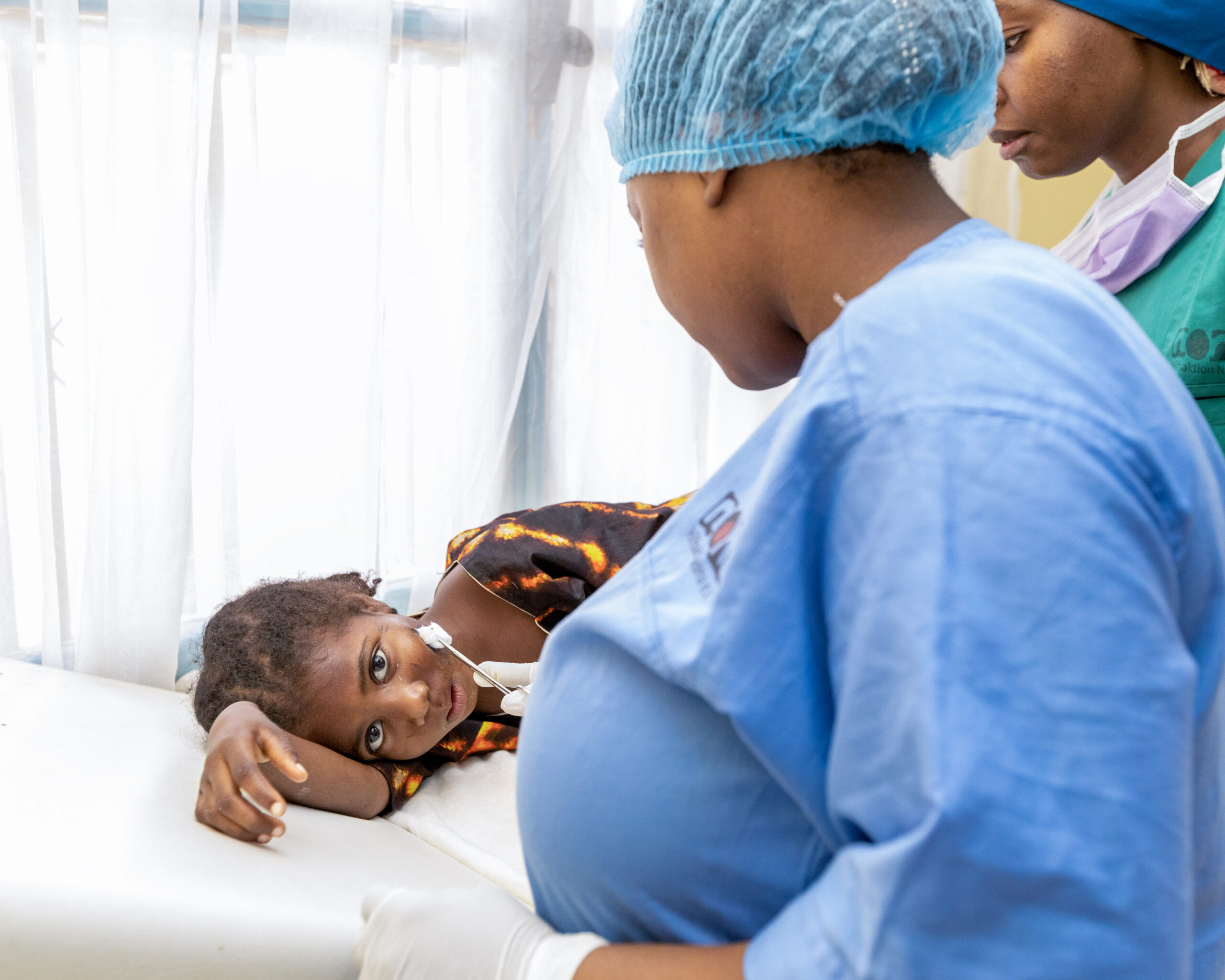
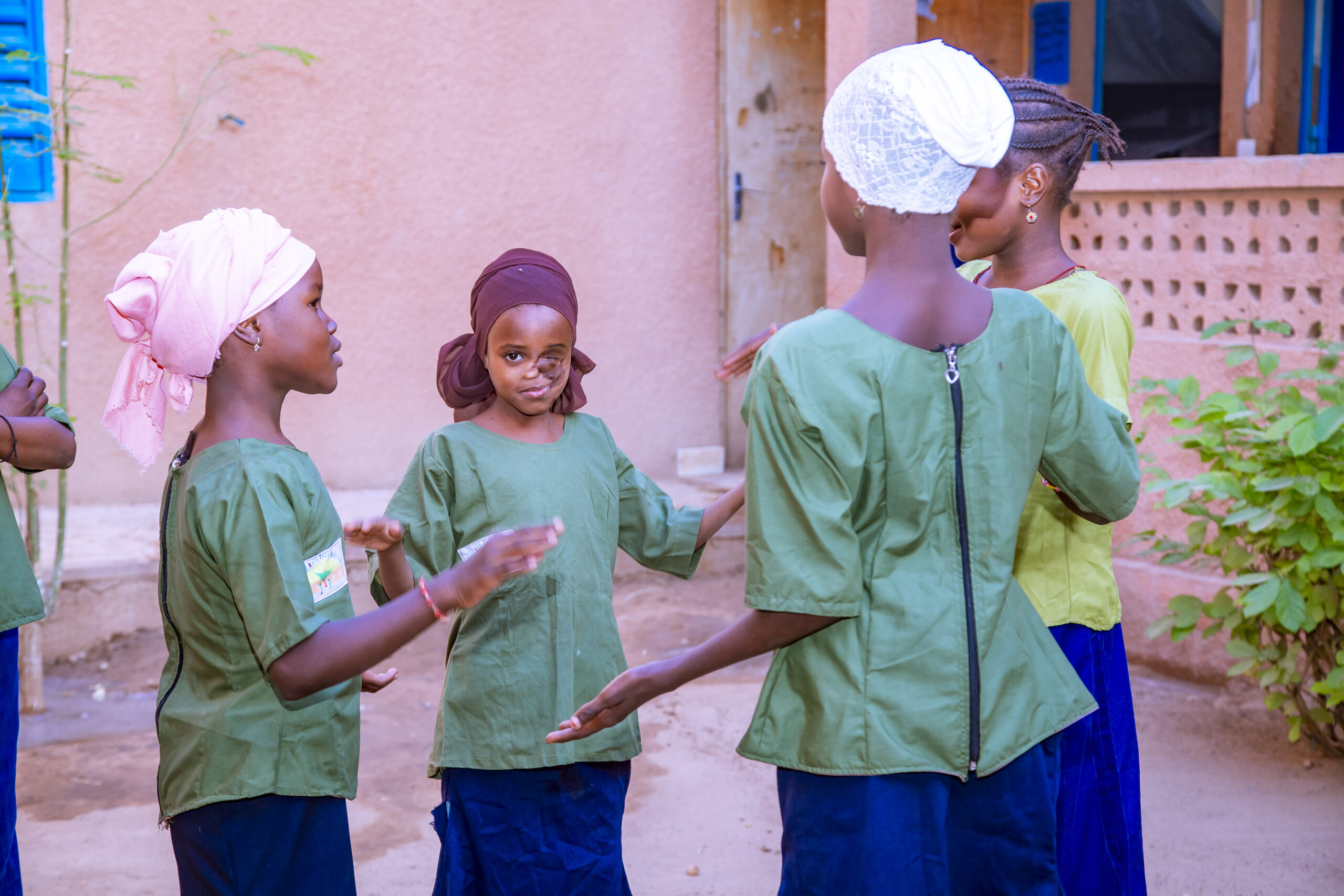
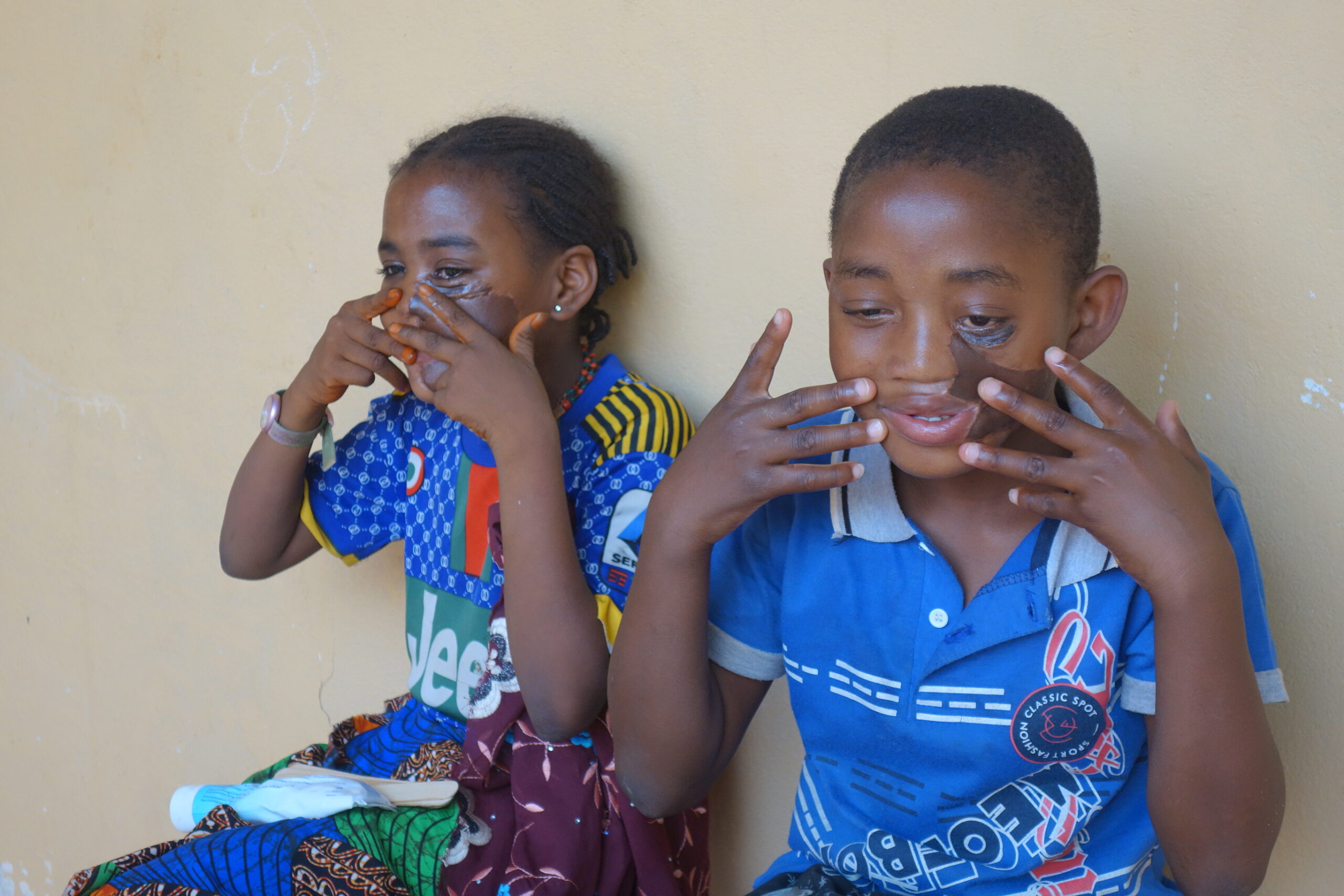
Noma, from the Greek word “nomein” meaning to devour, is a gangrene that develops in the mouth, starting with a benign lesion and ending up attacking the face. From gingivitis, which becomes ulcerative and necrotic, to an unnoticed swelling of the cheek, the infection spreads in a few days before becoming irreversible, destroying the soft and bony tissues of the face and profoundly disfiguring the survivors, mainly young children between the ages of 2 and 6. 80% to 90% of them die, and those who survive will suffer social, functional and aesthetic consequences. Moreover, they will often be stigmatized and rejected by their communities, which see them as a curse.
Noma is not a contagious disease and is not associated with any virus or bacteria. Its appearance is favored by the combination of several factors: lack of hygiene, especially oral hygiene, qualitative and quantitative malnutrition, lack of primary care, a weakened immune system following an infectious or parasitic disease such as measles, malaria or HIV.
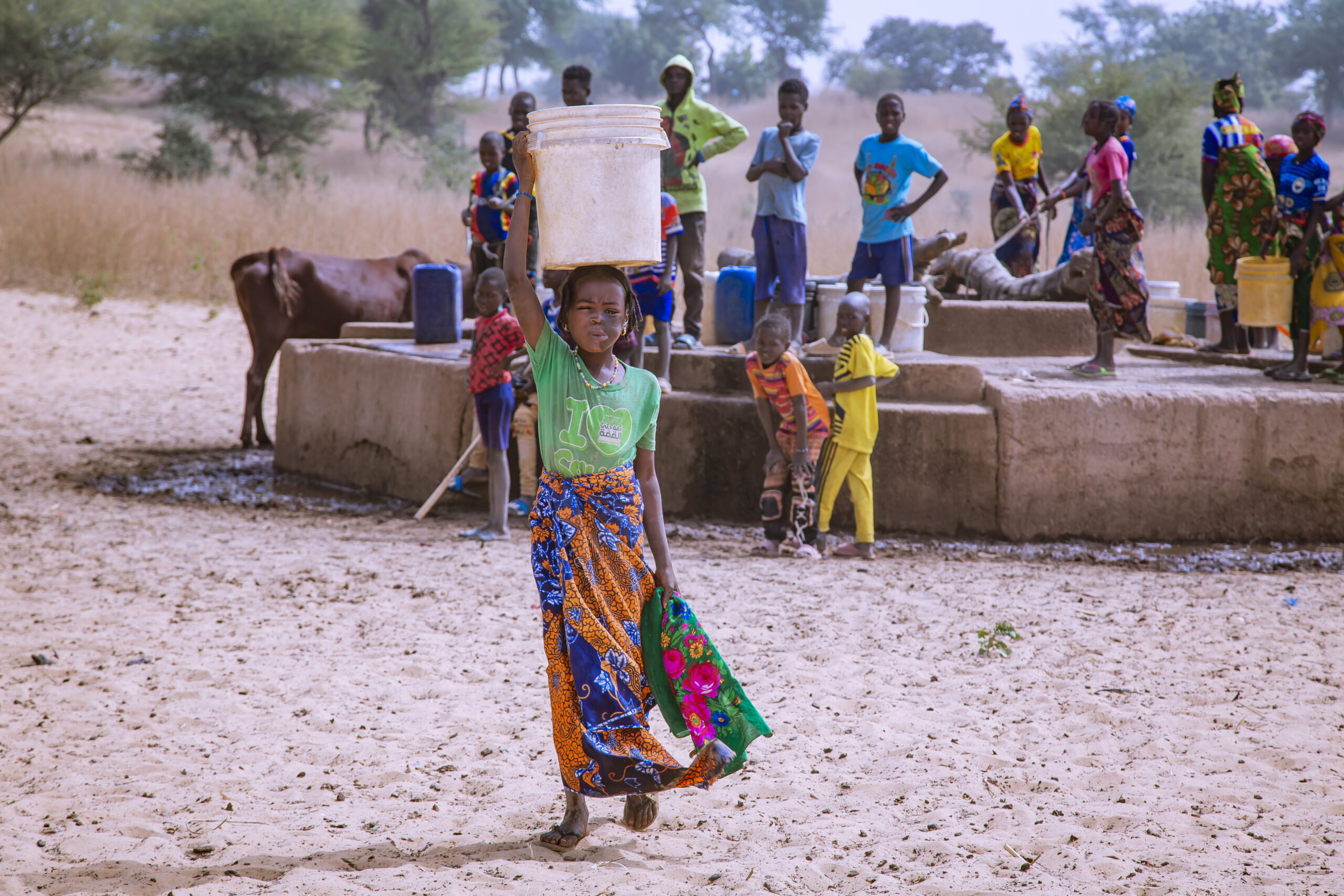
The precarious living conditions in countries with high levels of extreme poverty, such as the lack of access to clean water and primary health care, the breastfeeding problems faced by malnourished mothers, the proximity of livestock to living quarters and the resulting lack of hygiene, the ignorance of the disease, the strength of superstitions and traditional beliefs that see noma as a curse rather than a curable disease, all these are aggravating factors.
FAQ
Frequently Asked Questions
Is noma contagious?
Noma is neither contagious nor hereditary. It develops in a child with a poor general state of health, often linked to malnutrition, low immunity and poor oral hygiene.
Is the disease fatal?
Yes, without treatment, 80 to 90% of children affected die from noma.
What is the treatment for noma?
Noma can be treated with appropriate antibiotic therapy combined with nutritional rehabilitation. If it is detected and treated early, it will not leave any scars on the child’s face.
Where is noma present?
Noma exists where living conditions are difficult. There is no global mapping of the disease, but today most cases are found in Africa. The disease also exists in Asia and Latin America. In Europe, noma is now very rare, only present in immunocompromised patients.
Join our mission. Get to know us, Advocate, Donate. Get Started Today.
Email: info@noma-federation.org